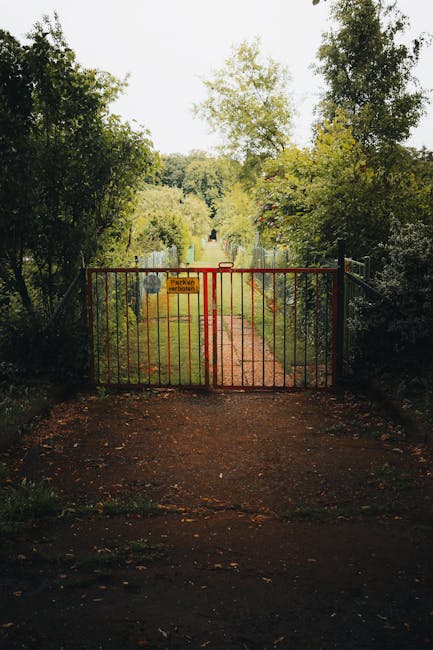
Common problems with small Erith garden access for gardeners
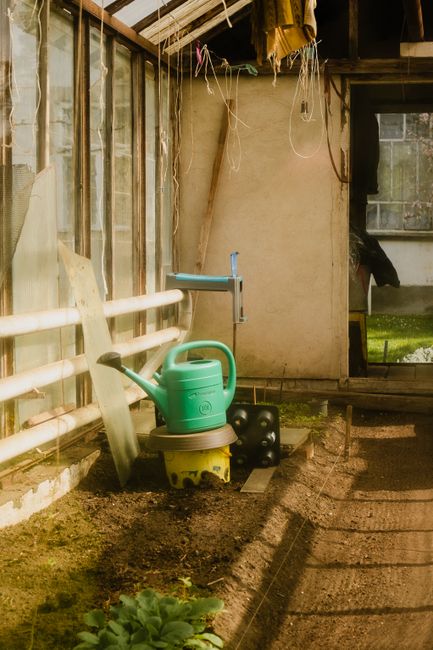
Small garden access can look harmless from the outside, but once tools, plant waste, and a wheelbarrow have to pass through a narrow side gate or a cramped alley, the job changes fast. In Erith, where many homes have compact plots, shared side access, or awkward rear entries, gardeners often spend as much time solving access issues as they do on the gardening itself. That is exactly why understanding the common problems with small Erith garden access for gardeners matters before work begins.
Whether you are planning a routine tidy-up, hedge work, a full clearance, or a larger landscaping project, access affects everything: timing, labour, safety, waste removal, and even what equipment can realistically be used. This guide breaks the topic down in plain English, with practical steps, local context, and a few reality checks from the kind of situations gardeners actually run into on a wet Tuesday morning when the gate barely opens. Let's be honest, that's when access stops being a small detail and becomes the whole story.
Why Common problems with small Erith garden access for gardeners Matters
Small access is not just an inconvenience. It can change the entire shape of a garden job. If a gardener cannot get machinery through the entrance, cannot turn safely with a loaded barrow, or has to carry waste by hand through the house, the work becomes slower and more expensive. It also becomes more physically demanding, which is where mistakes and accidents start creeping in.
In Erith, the challenge often comes from a mix of tight side passages, terraced layouts, narrow rear lanes, and mature gardens that have been partially boxed in by fencing, sheds, or overgrown planting. A job that looks straightforward from the lawn can turn into a logistical puzzle the moment you try to move a mower, hedge trimmer, bags of soil, or stacked branches. Have you ever tried to angle a long-handled tool through a gate that opens only halfway? It is one of those small frustrations that can swallow fifteen minutes at a time.
Access matters because it affects more than speed. It affects:
- Safety for the gardener, the household, and neighbours.
- Quality of work, since limited movement makes some tasks harder to complete neatly.
- Waste handling, especially when clearance or pruning creates bulky green waste.
- Equipment choice, which may rule out larger machines or heavy gear.
- Cost and scheduling, because awkward access often needs more labour or more time.
If you want to understand the wider service picture behind this kind of work, it can help to look at the broader services overview and the practical support options in garden maintenance or garden clearance.
How Common problems with small Erith garden access for gardeners Works
When gardeners assess a site, they are not just looking at the plants. They are mentally mapping how work will flow from the front of the property to the back garden and then back out again. That includes gates, paths, steps, door widths, surface conditions, turning space, overhead obstacles, and the route for waste bags or cuttings.
In practical terms, small access usually creates problems in five places:
- Getting in - tools and equipment may not fit through the opening.
- Moving around - narrow runs limit movement and make manoeuvring awkward.
- Working safely - slippery paths, hidden edges, and uneven paving increase risk.
- Removing waste - cuttings, branches, and soil must be carried out in smaller loads.
- Restoring the space - finishing neatly can take longer where access is restricted.
Sometimes the issue is obvious before the job starts. Other times it only becomes clear once a gardener tries to bring in a mower or carry a hedge trimmer bag and discovers the garden path has a tight dog-leg turn. That is why a decent site check is so valuable. It is a bit like planning the route before reversing a van down a narrow street; you do not want to improvise halfway through.
For larger reshaping work, access issues may also affect what kind of garden design is realistic. That is where landscape gardening or wider landscaping planning becomes important, because the garden may need to be designed around how people and materials will actually move through it.
Key Benefits and Practical Advantages
It may sound odd to talk about benefits when the topic is access problems, but good planning around small access creates real advantages. The main one is simple: fewer surprises. And fewer surprises usually means a better job.
- Better efficiency: clear access routes reduce wasted time walking back and forth.
- Cleaner results: less rushing means edges, borders, and surfaces are finished properly.
- Lower risk of damage: tight spaces make it easier to scuff walls, bend stems, or chip paving if you are not careful.
- More accurate quoting: once access is understood, labour can be estimated more honestly.
- Less strain on people and property: smaller loads and better routes reduce wear and tear.
There is also a benefit for the homeowner. When access is discussed early, you can make sensible choices about timing, waste removal, and the level of service needed. For example, a hedge trim might be straightforward with limited access, while a full clearance may need a staged approach with smaller loads. Truth be told, that kind of honesty is usually better than a vague promise and a messy afternoon later on.
Gardeners also benefit from knowing the access limitations before arriving on site. It helps them bring the right tools, plan protective measures, and avoid turning a routine visit into a slow, frustrating puzzle. If the job involves taller growth or branches near boundaries, it may be worth checking whether tree lopping and removal is needed, because overhanging limbs can be part of the access issue too.
Who This Is For and When It Makes Sense
This topic matters for a surprisingly wide group of people. If your garden is at the back of a terraced property, if access is via a shared alley, or if the only route passes through a narrow side gate, you are already in the zone where access planning matters. It also applies if you have a small patio garden, a compact rear yard, or a garden that has become partially blocked by stored items, old timber, or overgrowth.
It makes sense to think about access before booking or starting work if you are:
- arranging a seasonal tidy-up;
- planning hedge cutting or lawn work;
- preparing for a garden clearance after a long period of neglect;
- looking at decking or hard landscaping changes;
- trying to improve a cramped garden layout without losing usability.
For smaller regular jobs, good access can be the difference between a quick, tidy visit and a longer, more awkward one. For bigger projects, it can shape the entire method. If the garden is difficult to reach, a standard maintenance routine may still work, but it needs a more careful set-up. You may also want to consider ongoing lawn mowing or hedge trimming if the main issue is keeping growth under control in a confined layout.
And if you are not sure whether the site is truly suitable, ask for an assessment rather than guessing. Saves everyone a headache.
Step-by-Step Guidance
Here is a practical way to deal with small garden access without overcomplicating it.
- Walk the route from front to back. Check gates, side passages, steps, locks, latch widths, and awkward corners. Measure if you can. Even rough measurements are better than none.
- Look for pinch points. Ask yourself: where would a mower get stuck? Where would a bag of hedge cuttings catch on a wall? Where would someone need to turn sideways?
- Check ground conditions. Mud, moss, loose slabs, and standing water all make small access worse. One slippery patch can slow everything down.
- Decide what equipment will actually fit. Compact hand tools may be more suitable than larger machines. In some gardens, that is not a compromise; it is the sensible choice.
- Plan the waste route. If a clear-up is involved, decide where cuttings will be stacked, how they will be bagged, and whether they need to be carried through the house or around the side.
- Protect the house and garden features. Move pots, secure loose items, and cover vulnerable surfaces where needed.
- Break the work into stages. A tight site often works better when jobs are split up: cut, collect, bag, move, and clear rather than trying to do everything in one sweeping pass.
- Review before the final tidy. Small access jobs can look neat at the halfway point and still need a careful finish. Step back and check the route, the borders, and the waste area.
A simple rule helps here: if the route feels cramped to you in daylight, it will feel even tighter once bags, tools, and clipped branches are added. Slight exaggeration? Not really.
Expert Tips for Better Results
A few practical habits make a big difference in small-access gardens. These are the kinds of things that separate a smooth job from a slightly fraught one.
- Use lighter, narrower tools where possible. Compact kit often beats heavy machinery in confined spaces.
- Work from the outside in. Clear the route first, then tackle the deeper areas. It keeps exits open.
- Keep waste moving in smaller loads. Overfilled bags become awkward fast and can drag on fences, paving, or borders.
- Communicate early. If the route is shared, restricted, or needs a key, say so at the start rather than on the doorstep.
- Think about weather. Rain can turn a narrow access path into a slippery nuisance, especially on shaded paving. Early morning frost does the same, just with a bit more attitude.
- Protect corners and edges. On tight jobs, it is often the turns that cause the damage, not the straight sections.
One small but useful habit: keep a quick mental note of where the tools and waste will go before starting the first cut. That tiny bit of planning saves repeated lifting later. It sounds basic, but basic is often where good garden work lives.
If the garden layout is awkward enough that access problems are affecting the look and function of the space, it may be worth considering a redesign rather than patching around the issue. In those cases, a mix of landscaping and hard features such as decking services can sometimes improve movement as well as appearance.
Common Mistakes to Avoid
Small-access gardens tend to expose the same mistakes again and again. The good news is that most of them are avoidable.
- Assuming a mower will fit. A gate that looks "about right" can still be too tight once handles, wheels, or turning space are factored in.
- Ignoring waste volume. A modest trim can produce far more material than expected.
- Forgetting overhead space. Branches, canopies, and washing lines can matter just as much as the gate width.
- Not checking the path surface. Loose gravel and uneven slabs are a common trip point.
- Leaving the access route cluttered. Buckets, toys, bins, and plant pots may seem harmless until someone is trying to pass with a loaded bag.
- Choosing the wrong method for the site. Sometimes the issue is not the garden, but the plan. Big equipment on a tiny route is usually a poor match.
Another common one: not telling the gardener about access restrictions until they arrive. That can throw the whole schedule off. To be fair, people often forget because they live with the space every day and stop noticing the pinch points. It happens.
Tools, Resources and Recommendations
You do not need a garage full of specialist kit to manage small access well. In fact, a simpler setup is often better. The most useful tools are the ones that reduce lifting, squeezing, and backtracking.
- Compact hand tools for pruning, edging, and trimming in tight borders.
- Lightweight bags or tubs for collecting cuttings in smaller, easier-to-carry loads.
- Measuring tape for checking gate widths, passage gaps, and turning points.
- Protective sheets or coverings for nearby walls, paving, or stored items.
- Sturdy gloves and footwear to help with grip and repeated carrying.
- Clear labels or notes if several people are involved in the job and waste needs sorting.
If you are organising a larger job, a written quote and a clear scope are especially useful. That is where pricing and quotes becomes relevant, because restricted access can change how work is priced and scheduled. It is also sensible to check practical policies such as health and safety policy and insurance and safety information if you want confidence about how the work is handled.
If your priorities include waste disposal and greener working practices, take a look at recycling and sustainability. Small-access jobs often create a lot of packaging, cuttings, and green waste, so the disposal approach matters more than people sometimes expect.
Law, Compliance, Standards, and Best Practice
For most homeowners, the legal side of small garden access is not dramatic, but it should still be taken seriously. Gardeners have a general duty to work safely, and that becomes more important when the site is tight, uneven, or partly shared. In practice, this means assessing trip hazards, lifting risks, safe use of tools, and whether the route is suitable for the proposed work.
There can also be practical responsibilities around shared access, neighbour boundaries, noise, and waste movement. If a side passage is shared or close to another property, good communication is usually the best first step. No one likes a surprise hedge trimming session at 8 a.m. with branches brushing a neighbour's car. Not ideal.
Good best practice usually includes:
- confirming access before the visit;
- making sure routes are clear and safe;
- using equipment that fits the space properly;
- keeping work tidy to reduce slip and trip risks;
- handling waste responsibly;
- stopping if conditions become unsafe, rather than pushing on.
If you want to understand how a service provider approaches these basics, the site's about us and services overview pages are useful for getting a feel for the overall approach. For customers who value transparent process and payment security, payment and security is another sensible page to review.
Options, Methods, or Comparison Table
Different access problems call for different responses. Here is a straightforward comparison to help you think it through.
| Method | Best for | Pros | Trade-offs |
|---|---|---|---|
| Hand tools and small loads | Very narrow paths, small yards, light maintenance | Flexible, low risk of damage, easy to manoeuvre | Slower for bigger jobs, more repeated trips |
| Compact powered tools | Moderate access, regular garden maintenance | Faster than hand tools, still manageable in tighter spaces | May still be limited by gate width or storage space |
| Staged clearance approach | Overgrown gardens, bulky waste, limited disposal routes | Controlled, safer, easier to keep routes open | Takes planning and can feel slower at first |
| Redesign or access improvement | Repeated access problems, long-term use, awkward layouts | Solves the underlying issue, improves the whole garden | Higher upfront effort and planning |
For many Erith homes, the best answer is not one method forever. It is a combination. A small garden might need hand tools for routine work, then a clearance strategy for the once-a-year big tidy, and maybe a layout change if access is constantly getting in the way. Simple, really, but not always easy.
Case Study or Real-World Example
Picture a small rear garden reached by a narrow side passage with a right-angle turn halfway down. The lawn is modest, the borders are crowded, and there is a hedge that has grown a little too confidently over the summer. Nothing outrageous, just one of those gardens that looks manageable until the equipment starts moving.
On arrival, the gardener notices three things straight away: the gate opens only part way because of a sticking latch, the passage is lined with pots on one side, and the paving dips slightly near the back door. Rather than trying to force a standard-sized mower through, the work is split into smaller sections. The route is cleared first, then hedge trimmings are cut in manageable lengths, and waste is bagged before it builds up. That extra bit of organisation keeps the passage open and prevents repeated scuffing against the fence.
What changed the outcome? Not magic. Just planning.
By the end, the garden is tidy, the access route is still intact, and there is no pile of waste blocking the way home. It is the kind of job that looks straightforward in hindsight, which is always a bit annoying, but also a reminder that good access management is invisible when it works properly.
Practical Checklist
Use this quick checklist before any job in a small-access Erith garden.
- Measure gate width, passage width, and any tight turns.
- Check whether tools can be carried safely without catching walls or railings.
- Clear the route of bins, pots, toys, and loose items.
- Inspect the ground for wet patches, steps, or uneven slabs.
- Confirm where waste will be stacked, bagged, and removed.
- Decide whether the job needs compact tools rather than larger machinery.
- Allow extra time for moving materials in and out.
- Protect surfaces and vulnerable planting if the route is tight.
- Tell the gardener about shared access, locks, or neighbour sensitivities.
- Review whether the work is routine maintenance, clearance, or a larger redesign.
Expert summary: In small Erith gardens, access is not a side issue. It shapes the method, the timetable, the clean-up, and sometimes the entire cost of the job. The better the route is planned, the smoother everything else becomes.
Conclusion
Small garden access can feel like a minor detail until you are standing there with a bag of clippings in one hand and nowhere easy to put it. In Erith, that is a familiar story: tight side passages, awkward gates, compact layouts, and gardens that need careful handling rather than brute force. Once you understand the common access problems, the rest gets a lot easier to manage.
The main lesson is simple. Measure first, plan the route, choose the right method, and be realistic about what the space can take. That approach protects the garden, keeps the work safer, and usually gives you a better finish too. If the access issue is persistent, it may even point to a smarter layout change rather than just another tidy-up. Either way, small spaces can still work beautifully. They just need a bit more thought. And sometimes, that is the whole difference.
Get a free quote today and see how much you can save.
Frequently Asked Questions
What are the most common access problems in small Erith gardens?
The most common issues are narrow gates, tight side passages, uneven paving, awkward turns, limited storage space for tools, and poor routes for carrying out garden waste. These are the things that usually slow a job down first.
Why does small garden access affect gardening costs?
Because restricted access usually means more manual handling, slower movement, extra care around walls and paving, and more time spent carrying waste. That can increase labour time, even for a small garden.
Can a gardener still work in a very narrow passage?
Often, yes. The job may just need compact tools, smaller loads, and a slower, more methodical approach. If access is extremely tight, some tasks may need to be adjusted or split into stages.
Should I measure my gate before booking garden work?
Yes, if you can. Even rough measurements help. Gate width, passage width, and turn points are especially useful because they help the gardener decide what equipment is realistic.
What happens if the gardener cannot get equipment into the back garden?
The work may still be possible, but it could need hand tools, smaller equipment, or extra labour for carrying materials. In some cases, a different method is needed altogether.
Is small access a problem for garden clearance jobs?
Very often, yes. Clearance jobs create bulky waste, so narrow access can make bagging, carrying, and loading far more time-consuming. That is why planning the waste route matters so much.
Can access issues damage my garden or property?
They can if the route is cramped and not protected properly. Common risks include scuffed walls, damaged edging, broken stems, and trips on uneven slabs. Careful preparation reduces those risks a lot.
What should I clear before a gardener arrives?
Move bins, toys, pots, loose furniture, and anything that blocks the route. If possible, leave a clear line from the entry point to the work area and then to the waste collection point.
Does a small garden always need specialised equipment?
Not always. In many cases, standard hand tools are enough. The key is choosing equipment that fits the route safely rather than trying to force a larger machine through a tight space.
When is access bad enough to consider redesigning the garden?
If the same access problem keeps affecting routine work, or if every clearance and maintenance visit turns into a struggle, it may be worth looking at layout changes. Sometimes a small design adjustment makes ongoing care much easier.
How can I make a quote more accurate for a small-access garden?
Be specific about the gate width, side passage, steps, obstacles, and whether waste has to come through the house. The clearer the information, the more accurate the quote is likely to be.
Is it better to do small-access jobs in dry weather?
Usually, yes. Dry conditions make narrow paths safer and reduce the chance of slipping or carrying muddy waste through the property. Rain does not always stop the work, but it can make tight access much harder to manage.
Where can I learn more about the services available?
The best place to start is the services overview, then look at the most relevant pages for maintenance, clearance, or larger garden changes depending on what your space needs.