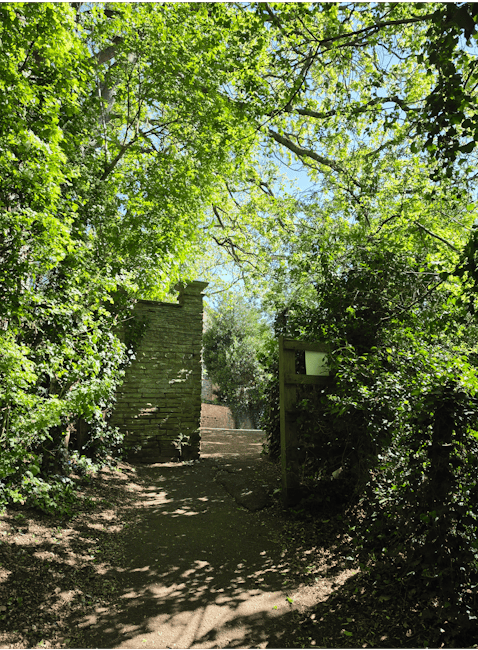
Erith gardeners solutions for steep garden slopes and access
Steep gardens can look beautiful from the kitchen window and feel like a minor ordeal every time you need to cross them. One wet morning, one awkward step, one patch of slippery grass, and suddenly the whole space is more stress than pleasure. That is where Erith gardeners solutions for steep garden slopes and access become genuinely useful. Done well, they make a difficult garden safer, easier to maintain, and far more enjoyable to use.
In Erith, gardens often need practical thinking as much as visual polish. Slopes, uneven ground, narrow side access, tired paths, and awkward boundaries all shape what can realistically be done. This guide breaks down what the solutions actually are, how they work, which methods suit different gardens, and what to ask before you commit. If you want the short version: the best outcome usually comes from combining drainage, structural support, sensible access routes, and low-maintenance planting rather than trying to fight the slope. Simple, but not always easy.
For a broader sense of how these projects fit into a full outdoor plan, you may also find the services overview useful, especially if your slope is part of a bigger garden refresh.
Table of Contents
- Why steep slopes and access problems matter
- How the solutions work in practice
- Key benefits and practical advantages
- Who needs this and when it makes sense
- Step-by-step guidance
- Expert tips for better results
- Common mistakes to avoid
- Tools, resources and recommendations
- Law, compliance, standards and best practice
- Options, methods and comparison table
- Case study or real-world example
- Practical checklist
- Conclusion
- Frequently asked questions
Why Erith gardeners solutions for steep garden slopes and access Matters
A sloping garden changes everything. Water runs downhill, soil shifts, mowing becomes harder, and moving materials in or out can feel like a small expedition. Add poor side access and even basic maintenance turns awkward. You notice it most at the small moments: carrying compost bags, pushing a mower uphill, or trying not to slip after a bit of rain. To be fair, that is when many homeowners realise the garden needs more than a tidy-up.
The reason this matters is not just convenience. A steep or difficult garden can create repeated issues:
- Safety risks from slips, trips, and unstable footing
- Access problems for routine maintenance, planting, and waste removal
- Drainage issues where water gathers or runs too fast
- Higher maintenance costs if the space is difficult to work in
- Limited use if there is nowhere comfortable to sit or walk
Good garden design should work with the land, not against it. That is the real point here. Even a steep slope can become useful space if it is organised properly, and even a tight access route can be made much less frustrating with the right layout. If the site also needs clearing before work can begin, a well-planned garden clearance service often makes the rest of the project smoother.
There is also a local reality to consider. Many Erith gardens are compact, bounded, or partially shaded, and that combination makes access planning more important than people expect. You are not just solving a slope. You are solving how a person, a wheelbarrow, a mower, and a pile of soil all move through the same space without chaos. That is the job.
How Erith gardeners solutions for steep garden slopes and access Works
There is no one-size-fits-all fix. The best approach depends on slope angle, soil condition, drainage, access width, existing structures, and how you want to use the space. In practice, most solutions fall into a few overlapping categories.
1. Reshaping and terracing
Terracing divides one steep plane into smaller, flatter sections. Each section can then be planted, walked on, or used more safely. On a practical level, this can reduce erosion, create usable seating areas, and make maintenance far easier. It also helps gardens feel more intentional. A slope can look a bit wild in the wrong way; terraces give it rhythm and order.
2. Retaining structures
Retaining walls, raised edges, or bank supports hold soil in place where gravity would otherwise win. These features can be built using materials that suit the garden style, from timber and sleeper-style edging to brick, block, or stone. The structure has to be designed properly, though. A pretty wall that fails in wet weather is not much use, is it?
3. Steps, paths, and handholds
Where walking is the main issue, the solution may be a safer route rather than a major landscape rebuild. Well-placed steps, a level path, and firm edging can dramatically improve access. The best layouts avoid sudden changes in height and give users somewhere natural to pause.
4. Groundcover planting and slope-friendly planting plans
Some slopes are better stabilised by planting than by hard construction alone. Dense groundcovers, shrubs with strong root systems, and low-maintenance planting can help hold soil while softening the look of the garden. In a wet week, you will appreciate plants that do not turn the slope into a muddy slide.
5. Access planning for work and maintenance
This is the part people often forget. It is one thing to design the slope; it is another to make sure tools, materials, and waste can actually get in and out. The access route may need to be widened, protected, or simply made less awkward. In some cases, better sequencing of work matters as much as design itself. The crew needs a route that makes sense, and so do you.
For larger outdoor redesigns, combining slope work with broader landscape gardening or landscaping can create a much cleaner result than tackling one issue at a time.
Key Benefits and Practical Advantages
Good slope and access solutions do more than make a garden look neat. They change how the space feels to live with day to day. That is the bit people remember.
- Safer movement across the garden in wet or uneven conditions
- Better usability for planting, seating, children, pets, or entertaining
- Lower maintenance effort because paths, beds, and lawn areas are easier to reach
- Improved drainage control which can reduce puddling and washout
- More stable planting areas with less soil movement
- Cleaner visual structure that makes even a difficult plot feel planned
- Better long-term value because the garden becomes easier to manage and more appealing
There is also a less obvious benefit: confidence. A lot of homeowners quietly avoid awkward corners of the garden because they feel unsafe or annoying. Once the route is sorted, those areas start getting used again. That is a real quality-of-life improvement, and not a small one.
Another practical advantage is maintenance planning. If access improves, routine services such as garden maintenance, lawn mowing, and hedge trimming become more straightforward. Less wrestling with the garden, more actually enjoying it. A nice change, frankly.
Who This Is For and When It Makes Sense
This kind of work is worth considering if your garden has one or more of the following issues:
- A steep lawn or bank that is hard to walk on
- Slippery ground after rain
- Narrow side access that makes maintenance difficult
- Repeated erosion on the same slope
- Steps that are uneven, too few, or badly positioned
- Plans to make the garden more usable for family life
- A desire to reduce heavy maintenance over time
It makes particular sense if you are already rethinking the garden layout. If you are clearing an overgrown slope, replacing tired edging, or planning new seating and planting zones, that is often the best time to sort access too. You only want to move soil, materials, and equipment once if you can help it. Nobody likes doing the same job twice.
It may also be the right move if you are preparing for long-term practical use. For example, if older family members visit often, or if you simply want the garden to feel less tiring to navigate, a more accessible layout can make a noticeable difference. Not glamorous perhaps. Very useful, though.
Step-by-Step Guidance
Every steep garden is slightly different, but a sensible process usually follows the same broad steps.
- Assess the slope and access points. Look at where the steepest gradients are, where water travels, and how people currently move through the space.
- Identify the main goal. Is the priority safer walking, easier maintenance, more planting space, or a complete redesign?
- Check soil and drainage behaviour. Clay-heavy or compacted ground behaves differently from freer-draining soil. Water movement matters a lot on slopes.
- Decide whether to terrace, retain, step, or plant through the slope. Often the answer is a combination rather than one single method.
- Plan access for the work itself. Think about wheelbarrows, spoil removal, material deliveries, and protected routes.
- Install structural elements first. Retaining edges, steps, paths, and drainage usually come before planting.
- Add planting and finishing layers. Groundcovers, mulch, and shrubs help stabilise the design and soften the look.
- Review maintenance needs. A good slope solution should make future care easier, not create a new set of headaches.
A small but important detail: the order matters. A slope can look deceptively simple until someone starts digging into it. Then the surprise bits appear. Soil slips. Water appears. Access gets tighter. That is normal enough, but it is one reason structured planning saves time and money.
Expert Tips for Better Results
Here are the practical details that often make the biggest difference in the finished result.
- Keep gradients realistic. A gentle path is often better than a straight but punishing shortcut.
- Use texture where it counts. Slippery surfaces and shiny paving are not your friend on a slope.
- Think about edge control. Clean borders stop soil and mulch from drifting into paths.
- Plan for rain, not just sunshine. A dry garden is one thing. A November garden is the real test.
- Choose low-maintenance planting for difficult banks. Dense, tough plants usually outperform delicate ones in exposed areas.
- Leave room for maintenance access. If a border can only be planted by crawling into it, it is probably not designed properly.
- Match the solution to the user. Children, visitors, older residents, and regular gardeners all use the space differently.
One more thing. If you are deciding between a visual upgrade and a genuinely useful upgrade, choose the useful one first. A slope that looks clever but remains awkward is not much of a win. A simple layout that works every day? Much better.
When trees are part of the problem, for example where roots, shade, or falling debris are affecting access, it can help to combine the project with tree lopping and removal where appropriate and safe to do so.
Common Mistakes to Avoid
There are a few classic errors that show up again and again in steep garden projects.
- Ignoring drainage. Water always finds its way. If you do not guide it, it will guide itself, usually into the wrong place.
- Building steps without proper rise and run. Uneven or awkward steps are tiring and risky.
- Choosing the wrong surface. Some materials become slippery when wet or shift under load.
- Overplanting fragile species. Slopes are not always kind to delicate plants, especially in wind or poor soil.
- Not planning access for tools and waste. A beautiful design is inconvenient if the mower cannot reach it.
- Trying to do everything at once. A phased approach is often smarter, especially on larger or unstable plots.
Another common mistake is treating access as an afterthought. People focus on the finished look, then realise there is no easy way to maintain it. That is how a lovely idea becomes a monthly nuisance. Bit of a shame, really, because it is avoidable.
Tools, Resources and Recommendations
The right tools depend on the scale of the job, but these are the usual basics that help on sloped or hard-to-reach gardens.
- Wheelbarrows or garden carts for moving soil, mulch, and waste
- Compact hand tools for work on tight banks and edges
- Measuring tools and levels to check fall, step height, and path alignment
- Protective gloves and sturdy footwear for grip and safety
- Mulch, edging, or groundcover plants to stabilise exposed soil
- Drainage materials where runoff needs to be managed properly
As a recommendation, start with a clear site walk and a simple sketch of how the garden is used now. You do not need a grand design pack for every job. Sometimes a rough plan is enough to spot the big issues: where water runs, where people naturally walk, and where access is already causing headaches.
If the garden has become cluttered or partly unusable, pairing the project with garden clearance can remove the backlog before the real improvement work starts. That often makes everything feel a bit lighter straight away.
Law, Compliance, Standards and Best Practice
For domestic gardens, the main concerns are usually safety, structural stability, and sensible workmanship rather than complex regulation. Still, best practice matters. On steep gardens, that means using appropriate materials, building secure retaining features, keeping paths safe to use, and making sure any work is carried out with proper attention to access and manual handling.
If a project involves retaining walls, steps, changes in level, or trees near boundaries, it is wise to be careful and get the work assessed properly. In the UK, local rules and permissions can vary depending on the scale and location of the work, so do not assume every idea is automatically fine as-is. If you are unsure, ask before starting rather than after the concrete has set. That route tends to be less stressful.
Health and safety should never be treated like box-ticking. Gardens with slopes can involve slips, unstable ground, heavy lifting, and awkward angles. Good contractors think about this from the outset. You can review site expectations in a general sense through the business's health and safety policy and insurance and safety information, which are both sensible places to start when you want reassurance about how work is managed.
It is also good practice to check how waste is handled, whether materials are reused where possible, and whether the work respects the surrounding garden and neighbouring properties. For those details, the recycling and sustainability page can give a useful sense of the company's approach.
Options, Methods, or Comparison Table
Different slopes need different answers. Here is a simple comparison to help you think through the options.
| Method | Best for | Pros | Things to watch |
|---|---|---|---|
| Terracing | Steeper gardens needing usable levels | Creates flatter, safer areas; improves planting structure | Needs proper planning and may reduce open slope space |
| Retaining walls | Holding back soil and shaping levels | Strong structural support; can look smart and tidy | Must be built correctly; drainage is crucial |
| Steps and stepped paths | Access routes across a slope | Makes movement easier; can be compact | Step dimensions and surface grip matter a lot |
| Groundcover planting | Slopes that need stabilising and softening | Lower maintenance; helps soil hold together | Needs time to establish; not ideal for all exposure levels |
| Combined landscaping | Gardens needing a full redesign | Most flexible; can blend access, planting, and structure | More planning involved, and usually a bigger project |
In many real gardens, the best answer is a mix. For example, a retained terrace at the top, a safer path through the middle, and planting on the lower bank. That sort of layered solution often feels much more natural than trying to force one method everywhere.
Case Study or Real-World Example
Picture a compact Erith back garden with a noticeable slope from the house down to the rear fence. The lawn is difficult to mow because the mower pulls downhill. Rain makes the middle section patchy and slippery. Side access is narrow, so every bag of compost or pile of green waste has to be manoeuvred carefully. Not disastrous, but tiring. Every time.
The project begins by clearing the congested areas and marking a safer route from the house to the bottom of the garden. The slope is then divided into two usable zones with a low retaining edge and a broader planted bank. A simple, grippy path is introduced to connect the main access points. The planting focuses on strong groundcover at the steeper edges and low-maintenance shrubs where watering is easier.
What changed? The garden became easier to move through, easier to cut, and less likely to wash out after rain. More importantly, the owner stopped avoiding part of the garden. That is often the quiet win in these projects. You do not notice it in a before-and-after photo as much as in daily life, where the space just starts behaving properly.
If the original layout had also become overgrown, then a targeted service such as garden maintenance after the main works would help keep the new design in good shape without constant battles.
Practical Checklist
Use this checklist before starting work or requesting a quote:
- Identify the steepest parts of the garden
- Note where water runs after rain
- Check which routes people actually use
- Measure access widths for tools and waste removal
- Decide whether the main aim is safety, beauty, usability, or all three
- Think about long-term maintenance, not just the initial build
- List any trees, walls, fences, or boundaries that affect the layout
- Review whether clearing is needed before the real work begins
- Ask how drainage will be handled
- Confirm what materials suit the slope and your maintenance preferences
- Consider whether the project should be done in phases
- Check what aftercare will be needed once the work is complete
Quick summary: if your garden is steep, awkward to access, or hard to maintain, the smartest solution is usually a design that improves movement, controls water, and reduces ongoing effort. That is the sweet spot. Practical first, attractive second, and ideally both at once.
Conclusion
Steep gardens and tricky access are not failures of the plot; they are simply design challenges that need a more thoughtful approach. With the right mix of structural support, planting, access planning, and maintenance strategy, even a difficult slope can become something calm, useful, and good-looking. The goal is not to erase the landscape. It is to make it work for you.
In real life, that often means starting with the basics: clear the space, understand the gradient, improve the route through it, and build from there. Once those foundations are right, the rest becomes much easier. And honestly, it is quite satisfying to turn a garden that used to feel like hard work into one that feels welcoming the moment you step outside.
Get a free quote today and see how much you can save.
If you are ready to explore the next step, the best place to begin is with a conversation about your garden's slope, access points, and long-term goals. A careful plan now can save a lot of hassle later, and that is the kind of win people appreciate for years.
Frequently Asked Questions
What are the best Erith gardeners solutions for steep garden slopes and access?
The best solution usually combines safer access, drainage control, and either terracing, retaining edges, or slope-friendly planting. The right mix depends on how steep the garden is and how you want to use it.
Can a steep garden be made easier to maintain without a full redesign?
Yes. Sometimes a better path, improved edging, selective planting, and a maintenance-friendly layout are enough. You do not always need major structural work, although some slopes really do benefit from it.
Do I need retaining walls for a sloped garden?
Not always. Retaining walls are useful when soil needs holding back or levels need creating, but lighter methods such as terracing, planting, or low retaining edges may be enough in smaller gardens.
How do gardeners improve access in a narrow side return or tight entrance?
They usually plan the work route carefully, protect the surface, and choose materials and equipment that can actually fit. Sometimes the route is widened or simplified as part of the project.
What makes a sloped garden slippery?
Rain, compacted soil, moss, loose gravel, and poor drainage are common culprits. The issue is often made worse when the slope has no firm surface or clear walking line.
Is terracing always the best option for a steep back garden?
No. Terracing is very effective, but it changes the character of the garden and may not suit every site. Some gardens work better with stepped access, planted banks, or a combination of methods.
Can planting really help stabilise a slope?
Yes, especially when you use dense groundcover and shrubs with strong roots. Planting alone is not a magic fix, but it can make a big difference when combined with sensible soil and drainage management.
How long does it take to improve a steep garden?
It depends on the size of the site and the level of work involved. Small access improvements may be completed fairly quickly, while terracing or structural changes take longer and need proper planning.
What should I ask before hiring someone for this kind of work?
Ask how they will handle drainage, access, safety, materials, waste removal, and maintenance after the work is finished. Those practical details matter more than a flashy plan on paper.
Are steep garden projects suitable for low-maintenance gardening?
Absolutely, if they are designed well. In fact, this is one of the best reasons to improve a slope: a smarter layout can reduce mowing, weeding, and awkward upkeep over time.
What if my garden has trees as well as a steep slope?
Then it is worth checking whether roots, shade, or falling debris are affecting the layout. In some cases, tree work can be part of the wider plan, especially where access or safety is being improved.
How do I know whether my garden needs clearance before slope work starts?
If the area is overgrown, cluttered, or hard to measure properly, clearance is usually a smart first step. It gives a clearer view of the ground and helps the next stage go more smoothly.